Convenient
Extremely durable systems with a competitive price positioning thanks to a short supply chain that optimizes costs without compromising quality.


Raised interior flooring represents an innovative and elegant solution for any residential space. Installing porcelain stoneware in a raised configuration combines the sophisticated aesthetic of ceramic with the practicality of a floating floor system, offering a range of advantages that make it an ideal choice for both modern homes and the renovation of historic buildings.
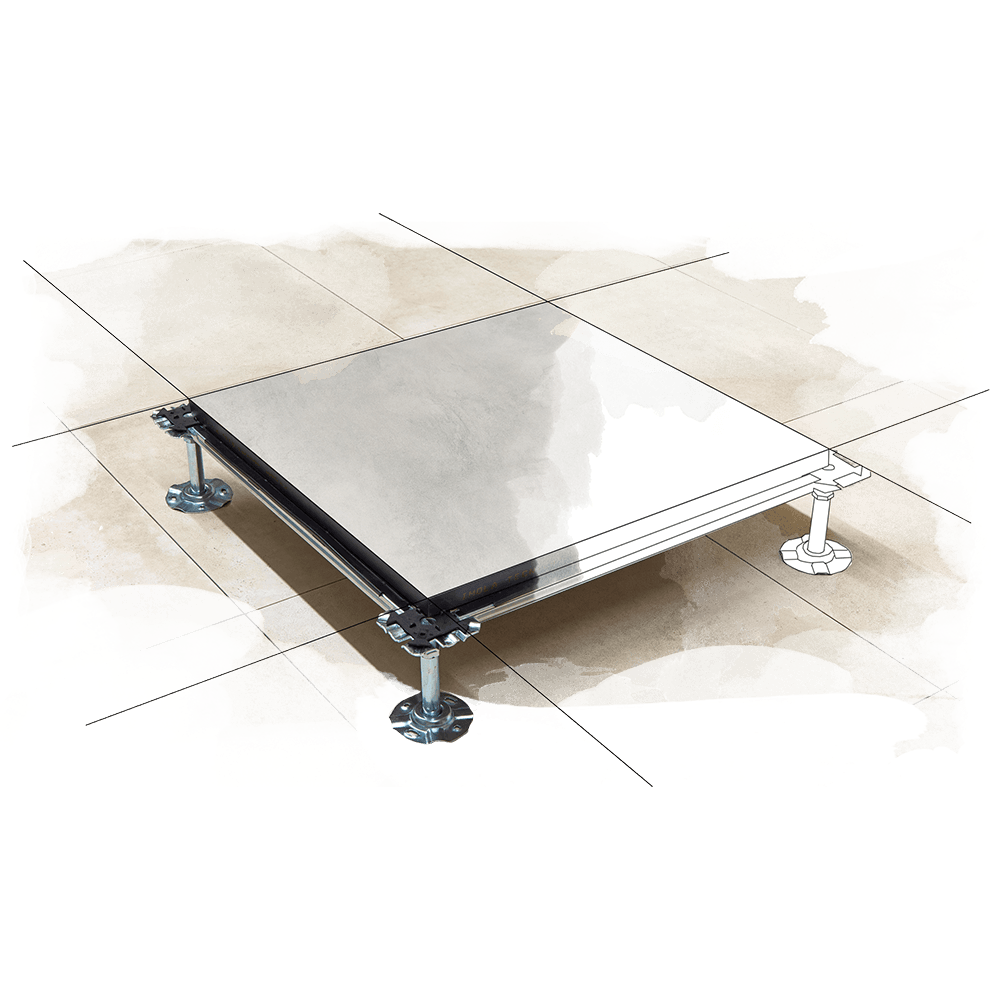
IT 2.6 SYSTEM
The technological excellence of Imola Tecnica concentrated in a reduced thickness.
Extremely durable systems with a competitive price positioning thanks to a short supply chain that optimizes costs without compromising quality.
Forward-looking with native CAM (Minimum Environmental Criteria) compliance. Certified materials for eco-sustainable projects.
From initial technical consultation to specialized installation. A single point of contact to guarantee reliable delivery times and excellent results.
Installing raised interior flooring in residential spaces creates a technical void beneath the floor surface, which can be used to conceal electrical wiring, plumbing, alarm systems, network cables, and more—significantly facilitating access for any necessary repairs or modifications. Furthermore, this raised flooring system contributes to the acoustic and thermal insulation of residential interiors, resulting in energy savings and enhanced living comfort.
Porcelain stoneware used for interior raised flooring is known for its strength, durability, and versatility—key qualities for residential settings. From an aesthetic perspective, raised porcelain stoneware floors offer a wide range of design and finish options, with a variety of textures, colors, and formats available to suit personal taste and the home’s interior decor.
The result is the creation of unique, elegant and contemporary residential spaces, yet extremely functional.
Absolutely. Micrometric calibration of the support heads allows for level adjustments. This versatility of stoneware floating floors allows designers to absorb existing slopes in existing floors, making it easy to install a raised floor with low levels even in complex structural situations.
Yes, installation in environments with a high risk of spills presents no problem for a porcelain stoneware raised floor . The sintered substrate is completely non-absorbent. For installation in bathrooms or industrial kitchens, we recommend the sealed-joint floating floor version : the intersecting joints are filled with waterproof silicone grout, blocking leaks at the root.
Yes, breaking down the aesthetic boundaries of the building envelope is one of the most significant benefits of porcelain stoneware.Outdoor ceramic raised floorsare resistant to rot and freeze-thaw cycles, preserving their primary structure intact. This feature allows architects and designers to extend thefinishes of indoor raised floorsto outdoor spaces such as terraces or rooftops, maintaining a rigorous material and functional alignment.
These are “standard” applications in most cases, as they almost always include furniture and partition walls. When faced with particularly demanding requirements to ensure a high load-bearing capacity of the raised floor, it is possible to reinforce both the panels and the structure, while maintaining the absolute stability of the floating raised floor.